Baby Gear on a Budget: Frugal Essentials & Savings Plan
Baby Gear on a Budget: A Practical Checklist and Savings Plan for New Parents
Building a baby setup can get expensive fast—especially when marketing makes everything feel “essential.” A simple plan helps: prioritize safety, start with true needs, buy the right items used, and track spending so small purchases don’t snowball. Use the checklist-and-planner approach below to cover the basics, avoid costly duplicates, and keep room in the budget for the things that actually make daily care easier.
Start with a budget that matches real life
A budget works best when it reflects how quickly newborn needs evolve. Instead of trying to buy everything at once, set guardrails that help you buy in the right order and avoid panic purchases.
- Pick a total starting budget plus a monthly “baby spending” limit for the first 3 months (when needs change quickly).
- Separate “must-haves for day 1” from “nice-to-have later.” Day-1 items are mostly about safe sleep, safe transport, and feeding/diapering basics.
- Plan for recurring costs first (diapers, wipes, formula if used) before adding extra gear.
- Use a pacing rule like “one new category purchase per week” (or per payday) to reduce impulse buys and last-minute splurges.
- Leave a buffer for surprises: growth spurts, feeding changes, postpartum comfort items, and replacement parts.
A frugal essentials checklist (what matters most)
When money is tight, the best strategy is to buy fewer categories—and buy the “good enough” option first. Many babies outgrow gear quickly, and plenty of popular items end up barely used.
- Start with safety-critical items: a car seat, a safe sleep space, and the basics for feeding.
- Choose multi-use items (for example, a pack-and-play that can serve as a sleep space and travel option).
- Buy the minimum number of sizes (clothes and diapers) until you see your baby’s growth pattern.
- Keep the early kit small: diapers/wipes, a few sleepers, swaddles or sleep sacks, burp cloths, diaper cream, a basic thermometer, and nail care.
Budget-first baby gear list (starter set)
| Category | Minimum to start | Where to save | Where not to compromise |
|---|---|---|---|
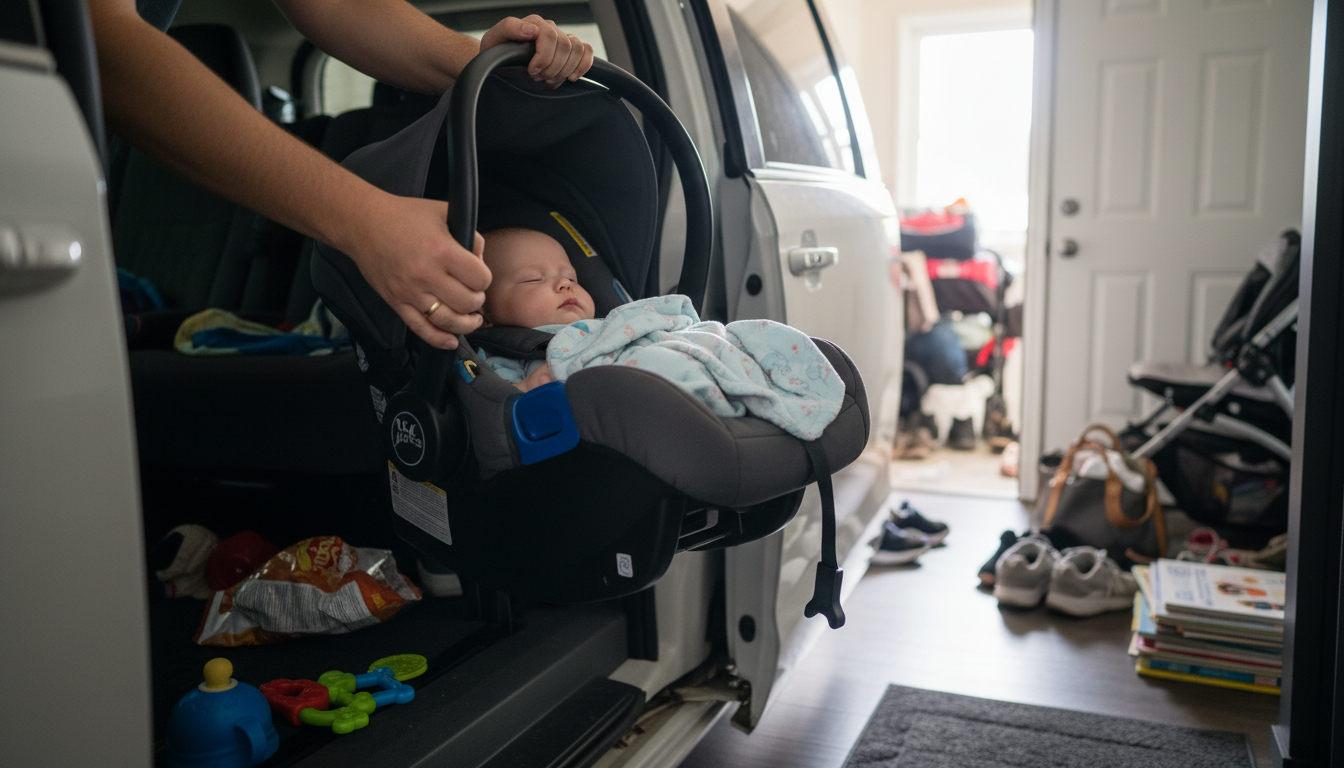
| Car seat | 1 infant seat or convertible | Skip premium “travel system” bundles unless it truly fits daily routine | Buy new; confirm it meets current safety standards and has not expired |
| Sleep | 1 safe sleep space + 2–3 fitted sheets | Look for a simple crib or pack-and-play; avoid extra furniture early | Firm, flat sleep surface; avoid inclined sleepers and soft bedding |
| Feeding | A few bottles (if needed), burp cloths, basic nursing supplies | Start with a small bottle set before committing to a brand | Follow safe prep and cleaning guidance; replace worn nipples |
| Diapering | Changing pad, cream, wipes, diapers | Use washable covers; skip specialty pails at first | Hygiene basics; keep supplies clean and accessible |
| Clothing | 7–10 sleepers + socks/hat as needed | Secondhand bundles are often best value | Avoid unsafe sleepwear; choose season-appropriate warmth |
| Out & about | Stroller or carrier (start with one) | Buy used carriers if in good condition and washable | Correct fit and support; learn safe babywearing basics |
What to delay or skip (and why it saves money)
Newborn life is unpredictable. Delaying preference-based items prevents buying the “wrong” version (or buying multiples) before you know what your baby will actually use.
- Delay short-window gadgets like wipe warmers, bottle warmers, and specialized loungers.
- Skip “just in case” bulk buys of bottles, pacifiers, and swaddles until baby’s preferences are clear.
- Avoid stocking far ahead in diapers and clothes; growth is rarely linear.
- Limit duplicates (two strollers, multiple swings/bouncers) until routines are established.
- Be cautious with clutter that adds more work than convenience: elaborate changing tables, heavy decor, and big toy hauls in the newborn stage.
Smart ways to buy used without risking safety
Used baby gear can be a big win—when it’s chosen carefully. The goal is to save money on items that are easy to inspect and clean, while avoiding anything with safety or hygiene risk.
For safety references, use the U.S. Consumer Product Safety Commission (CPSC) Recalls database and follow American Academy of Pediatrics safe sleep recommendations.
Build a registry that reduces duplicates and returns
Use a printable checklist + savings tracker to stay on plan
A checklist prevents duplicates, while a tracker keeps “little” purchases from quietly blowing up the budget. If you want a simple, organized way to map timing and target prices, use a dedicated planner like the Baby Gear on a Budget printable checklist and savings guide.
Quick money-saving tips that work in the first 90 days
For car seat guidance and installation basics, check the NHTSA car seat resource. When it comes to clothing, consider buying just a couple of “going out” outfits in each size—like the Baby Girl Autumn Plaid Bow Dress with Headband (0–18 months)—and keeping the rest of the wardrobe simple sleepers and easy layers.
FAQ
What baby gear is worth buying new?
Safety-critical items are usually best purchased new, especially car seats, since you need to confirm current standards, expiration dates, and that the seat has never been in a crash. Also avoid used crib mattresses due to hygiene concerns and the need for a firm, supportive surface.
How can new parents avoid overspending before the baby arrives?
Stick to a day-1 essentials list, set category spending caps, and delay preference-based items (like bottle brands and swaddle styles) until you know what your baby accepts. Track purchases and return deadlines so duplicates don’t turn into missed refunds.
What are the true newborn essentials for the first week?
A safe sleep setup, feeding basics, diapers and wipes, a small rotation of sleepers, simple health/grooming items (thermometer and nail care), and one safe way to transport baby (car seat) cover the real essentials.







Leave a comment