Toddler Tantrums in Public: Stay Calm Without Giving In
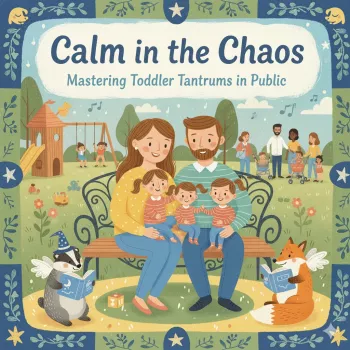
Calm in the Chaos: Handling Toddler Tantrums in Public Without Yelling or Giving In
Public tantrums can feel like a spotlight moment—loud, fast, and emotionally draining. A calmer path is possible with a few repeatable tools: prevention, simple language, body-based calming, and clear boundaries that don’t turn into power struggles. With a steady plan, it’s possible to get through stores, restaurants, airports, and playgrounds while protecting your child’s dignity and strengthening long-term emotional skills.
Why public tantrums happen (and why it’s not “bad behavior”)
Toddlers have huge feelings and very limited skills to manage them. Impulse control, flexible thinking, waiting, and switching gears are all still under construction, so “no,” “not now,” or “time to leave” can land like a full-body emergency.
Public settings also stack the deck: lights, noise, strangers, transitions, hunger, fatigue, and tight schedules. When a toddler’s nervous system flips into stress mode, language and logic go offline—so a tantrum is often a stress response, not manipulation.
Adults feel it too. Embarrassment and time pressure can push caregivers toward threats, bribes, or giving in. A simple plan helps you stay regulated, reduce escalation, and teach coping skills without turning the moment into a battle.
For evidence-based parenting guidance and developmental expectations, resources like the CDC’s Positive Parenting Tips and ZERO TO THREE can be helpful references.
Set up success before leaving the house
Prevention doesn’t mean “perfect behavior.” It means lowering the odds of a meltdown when you can—and knowing what you’ll do if it happens.
- Do a quick basics check: snack, water, diaper/potty, comfort item, and a realistic time window.
- Name the plan in one sentence: “We’re going to the store, buying groceries, then going home for lunch.” Predictability lowers stress.
- Offer two controlled choices: “Cart or stroller?” “Hold my hand or hold the basket?”
- Practice an exit routine: “If your body isn’t safe, we step outside to calm down.” Say it when everyone is calm so it’s familiar later.
- Pack a mini calm kit: small snack, fidget, wipe, and one quiet toy reserved for outings.
In-the-moment: a 60-second calm script that de-escalates
The fastest way to lower the temperature is to regulate yourself first. Reasoning can wait; safety and connection come first.
- Go low and slow: lower your voice, soften your face, slow your movements.
- Get close and get small (when safe): kneel beside them or angle your body sideways so you don’t feel confrontational.
- Validate briefly without negotiating: “You really wanted that. It’s hard to stop.”
- State the limit once: “Not today. We’re not buying candy.”
- Offer the next step: “You can hold my hand or ride in the cart.”
- If yelling continues: “I can’t understand when it’s loud. I’m right here when you’re ready.”
Quick guide for common public tantrum moments
| Situation | Early signs | What to say (short) | What to do (simple) |
|---|---|---|---|
| Grocery store meltdown over a snack | Grabbing, whining, fast walking away | “You want it. Not today. You can choose apples or crackers.” | Move to a quiet aisle; offer choice; keep shopping with boundary |
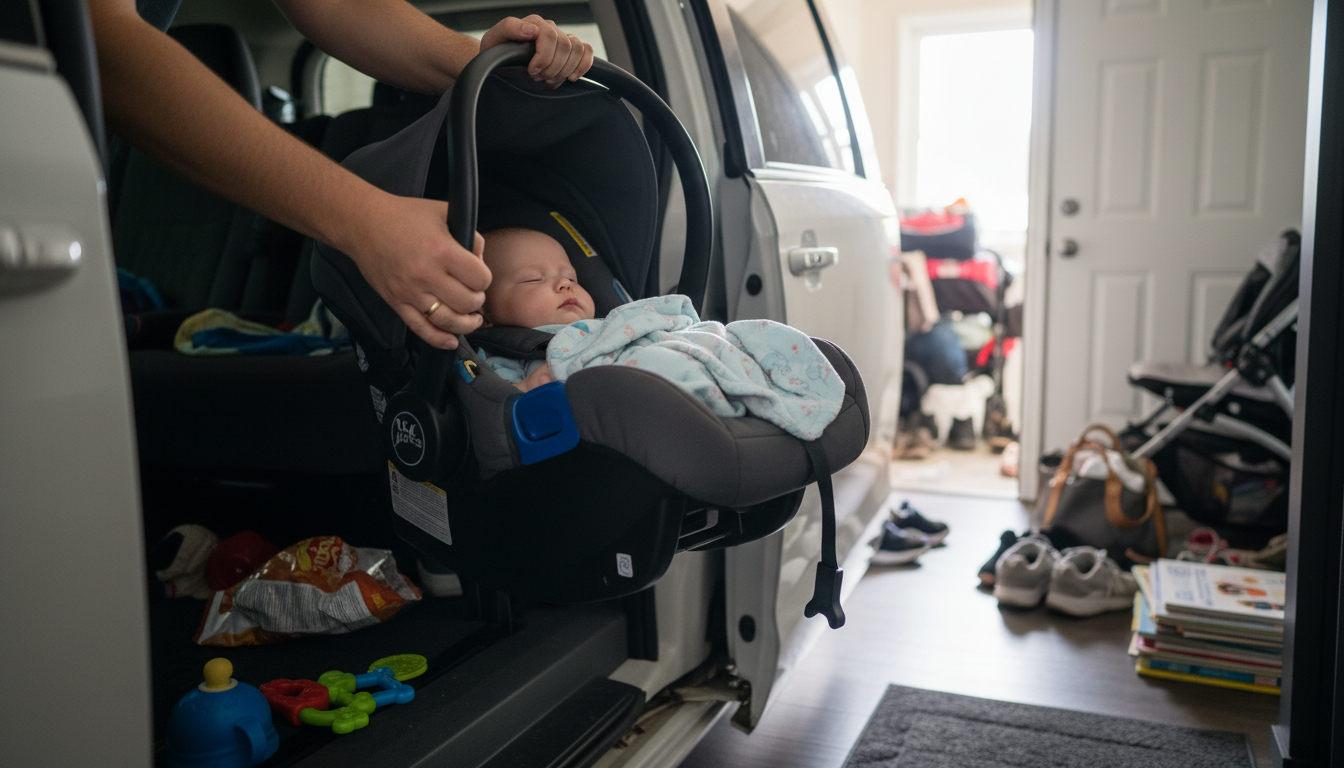
| Parking lot refusal to get in the car seat | Stiff body, running, “NO!” | “Car seat is non-negotiable. I’ll help your body.” | Safety hold; buckle calmly; breathe together once secured |
| Restaurant noise/overwhelm | Covering ears, pushing, crying | “Too loud. Let’s take a break.” | Step outside; water; return when calmer or wrap up meal |
| Toy aisle fixation | Fixated stare, repeated asking | “We’re not buying a toy today. You can take a photo or wave bye.” | Redirect to “helper job”; exit aisle; avoid extended debate |
When safety is the priority: what to do if your toddler hits, throws, or bolts
In public, safety rules the moment. If your toddler is hitting, throwing, or running, focus on stopping harm and reducing stimulation—then teach later.
- Block and protect: calmly stop hands/objects—“I won’t let you hit.”
- Create space: move to the side of the aisle, outside the venue, or to the car if needed.
- Use the least forceful supportive hold necessary: only for immediate safety, then release as soon as it’s safe.
- Keep language minimal: one boundary and one option repeated calmly is more effective than a lecture.
- If leaving is necessary: treat it as a reset, not a punishment, and try again another day.
If you want more positive discipline guidance that aligns with child development, HealthyChildren.org from the American Academy of Pediatrics is a strong starting point.
After the storm: repair, teach, and build emotional intelligence
Once your toddler is calmer, the real learning can happen—quickly and gently.
Common mistakes that accidentally make tantrums bigger
Tools that help on-the-go (simple, realistic)
- Calm in the Chaos: Mastering Toddler Tantrums in Public (digital download) for ready-to-use scripts, checklists, and scenarios you can revisit before errands.
- Large Zipper Makeup & Pencil Bag with Medical Supplies Print as a grab-and-go pouch for a mini calm kit (snack, wipes, a small fidget, and one quiet toy).
A step-by-step plan to keep in your pocket
FAQ
Should a toddler tantrum be ignored in public?
It depends: if your child is dysregulated, staying calmly present and keeping them safe helps more than ignoring. Brief validation plus a clear limit is usually enough, without extra attention that rewards escalation.
What do you say during a public tantrum without giving in?
Use short lines: name the feeling, state the boundary once, and offer two choices (plus a calm-break option if needed). Keeping your tone low and words minimal prevents the moment from turning into a negotiation.
How do you prevent tantrums when running errands?
Cover basics (food, sleep, potty), preview the plan, offer controlled choices, and keep trips short when possible. A small calm kit and a consistent “we step outside to reset” routine can reduce repeat meltdowns over time.






Leave a comment