Best Insulated Lunch Bag: How to Choose the Right One
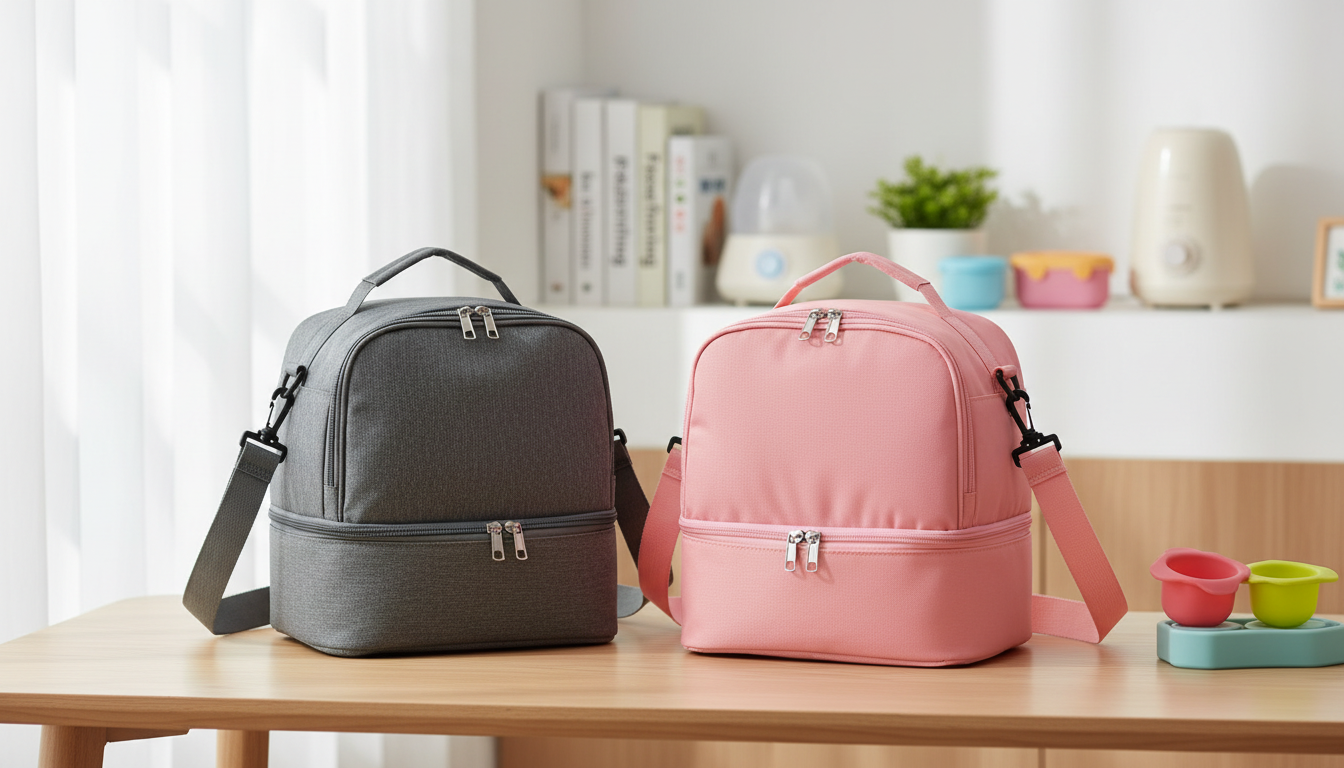
What is the best insulated lunch bag?
The best insulated lunch bag is one that keeps food safely cold (or warm) for the length of your day, fits your usual containers, and won’t leak in your backpack or car. For most people, that means a medium-size bag with thick insulation, a heat-sealed (or welded) lining, and a secure zipper that closes smoothly without leaving gaps.
What to look for in a great insulated lunch bag
Insulation performance: Choose a bag with dense foam insulation and a reflective lining to slow temperature change. If you routinely pack perishable food, pick a bag that can accommodate at least one ice pack flat against the food.
Leak resistance: A wipe-clean, seam-minimized interior helps prevent spills from soaking into fabric. A slightly structured base also helps keep containers upright.
Right capacity: A bag that’s too small forces awkward stacking, which can pop lids and crush food. Too large leaves excess air space, which warms faster. Measure your go-to containers and check the bag’s interior dimensions before buying.
Carry comfort and durability: Look for reinforced handles, a strong shoulder strap (if you carry it far), and rugged outer fabric that won’t scuff easily. Quality zippers matter more than most shoppers expect—they’re often the first failure point.
Which style is best for everyday use?
For office, school, or commuting, a soft-sided insulated tote or rectangular lunch box is usually the sweet spot: easy to pack, easy to clean, and flexible enough to fit into a larger bag. If you’re packing meal prep containers or multiple servings, a structured, boxy design keeps everything level and more presentable at lunchtime.
For a detailed breakdown of top picks and how to match a bag to your routine, visit https://pickmuse.shop/what-is-the-best-insulated-lunch-bag/.
FAQ
How long can an insulated lunch bag keep food cold?
With a quality bag and a properly frozen ice pack, many lunches can stay cold for 4–8 hours. Actual time depends on how full the bag is, how often it’s opened, and the temperature outside.








Leave a comment